|
|
|
|
Insights and perspectives on technology, AI, software development, and industry trends from the TrueSolvers team.
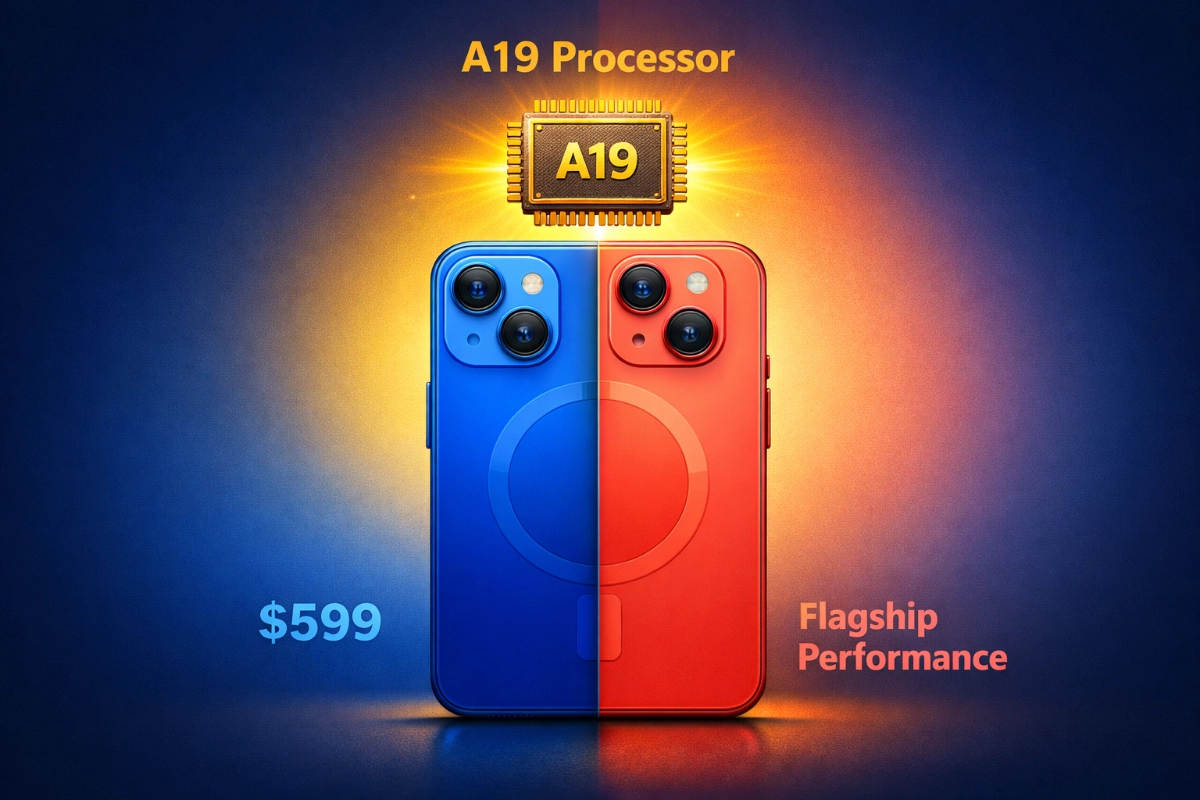
Apple equipped the iPhone 17e with the A19 processor using TSMC's N3P 3-nanometer manufacturing process. This chip features a 6-core CPU architecture split between 2 performance cores running at 4.26 GHz and 4 efficiency cores operating at 2.60 GHz. Performance cores feature 8MB of L2 cache while efficiency cores utilize 4MB, with both accessing a shared 12MB system-level cache.
The GPU configuration uses 4 cores in the iPhone 17e compared to 5 cores in the standard iPhone 17. This binned approach represents Apple's strategy for maintaining product tier separation without crippling performance. Testing shows the iPhone 17 scored 37,014 points in Geekbench 6 Metal compared to the iPhone 16e's 22,478 points. That single GPU core difference impacts graphically intensive gaming but leaves everyday computing tasks unaffected.
PassMark benchmarking revealed the A19 achieved the fastest single-core CPU score globally at 5,149 points, surpassing desktop processors including Apple's own M3 Ultra, Intel's Core Ultra 9 285K, and AMD's EPYC 4585PX. The efficiency advantage becomes staggering when examining power consumption. The A19 uses approximately 4W for single-threaded workloads while the Intel chip consumes 44W and the AMD processor draws 56W for comparable performance.
The iPhone 17 accomplishes this without vapor chamber cooling, relying instead on passive thermal management. That makes the performance achievement particularly notable given the thermal constraints.
Geekbench 6 testing showed approximately 12% higher single-core CPU performance compared to the A18, with multi-core performance improvements around 18%. GPU performance gains reached approximately 33% over the A18. The 8GB of LPDDR5X memory running at 8533 MT/s provides 68.2 GB/s of memory bandwidth, matching the standard iPhone 17 configuration.
The 16-core Neural Engine features improved memory bandwidth for on-device AI processing. These neural accelerators work alongside GPU-integrated AI units to handle computational photography and Apple Intelligence features introduced in iOS 26.4.
The value proposition sharpens when positioning the iPhone 17e against previous-generation flagship iPhones. Someone considering a used iPhone 15 Pro or iPhone 14 Pro faces a computational performance disadvantage compared to the new budget model.
The A19's single-core PassMark score of 5,149 points represents a substantial lead over older Pro processors. Benchmark comparisons show the A19 delivering faster performance than the two-year-old A17 Pro chip, with Apple's official product page claiming up to 20% faster CPU performance versus that older silicon.
Multi-core performance follows similar patterns. The A19 matches or exceeds the A18 Pro in several workloads despite having one fewer GPU core. On 3DMark Solar Bay Unlimited graphics testing, iPhone 17 models achieved 46.4 fps. By comparison, the Galaxy S25 Ultra managed 42.4 fps versus the previous-generation iPhone 16 Pro Max's 28.4 fps, demonstrating how substantially Apple improved GPU performance with the A19 architecture.
Battery efficiency creates another advantage over older flagships. Tech Advisor reports the iPhone 17e features a 4,500mAh battery capacity compared to approximately 4,005mAh in the iPhone 16e. Combined with the A19's power efficiency improvements and the 30% energy reduction from the C1X modem, all-day battery life should exceed some older Pro models despite the lower price point.
From our assessment of benchmark data across multiple processor generations, the performance delta between the iPhone 17e's A19 and older Pro models reveals a critical shift in Apple's budget positioning. The computational gap that traditionally separated budget from flagship iPhones has essentially disappeared, leaving only camera systems, display technology, and build materials as meaningful differentiators.
Apple's vertical integration strategy extends beyond the main processor. The iPhone 17e incorporates the C1X cellular modem and N1 wireless networking chip, both designed in-house to work together with the A19 processor.
The C1X modem represents an evolution of the C1 modem introduced in the iPhone 16e just six months earlier. According to MacRumors, Apple claims the C1X delivers up to 2x faster speeds compared to the first-generation C1 while achieving the most power-efficient modem performance in any iPhone. The qualifier "for the same cellular technologies" suggests careful scoping of performance claims, but achieving doubled performance with 30% less overall power consumption in under a year demonstrates rapid iteration.
The N1 wireless chip enables Wi-Fi 7, Bluetooth 6, and Thread networking support. According to MacRumors, this makes the iPhone 17 series the first Apple devices featuring Bluetooth 6 connectivity. Apple claims the N1 "improves overall performance and reliability in key areas like Personal Hotspot and AirDrop," though those qualifiers suggest reserved judgment pending independent verification.
These custom chips replace components Apple purchased from Qualcomm and Broadcom for years. The system-level optimizations become possible only when one company controls the entire silicon stack, enabling power management coordination impossible with third-party components.
The iPhone 17e gains MagSafe wireless charging capability for the first time, addressing what multiple sources identified as the single biggest criticism of the iPhone 16e. MacRumors reports charging speeds reaching 20W to 25W compared to the iPhone 16e's limitation of 7.5W Qi wireless charging.
The upgrade transcends charging speed. MagSafe compatibility unlocks Apple's entire magnetic accessory ecosystem:
Magnetic charging stands and docks
MagSafe-compatible wallet attachments
Battery pack accessories with magnetic alignment
Car mounts using magnetic connection
Third-party MagSafe accessories from established manufacturers
iDropNews described MagSafe addition as making the device "ready to snap into the modern era." That assessment reflects how wireless charging evolved from a convenience feature into an ecosystem anchor. Without MagSafe, the iPhone 16e felt deliberately hobbled despite strong internal specifications.
The February 19, 2026 launch date falls on Thursday, which represents an unusual choice for Apple but reflects their recent trend of celebrating anniversary dates. The timing marks exactly one year after the iPhone 16e announcement.
Apple's product lineup requires clear value progression from the $599 iPhone 17e through the $799 iPhone 17 to the $1,099 iPhone 17 Pro. Understanding which features got cut reveals the trade-offs budget buyers accept.
The iPhone 17e retains a 6.1-inch OLED display with 60Hz refresh rate. ProMotion's 120Hz technology reached the standard iPhone 17 in 2025 but won't appear in the budget model. The device also lacks always-on display capability, which requires OLED panels with 1-nit minimum brightness reserved for more expensive iPhones.
Conflicting reports suggest the iPhone 17e might adopt Dynamic Island or retain the notch design. More recent analysis from MacRumors indicates the device will continue using the notch to maintain cost differentiation and manufacturing savings. Either configuration delivers the same Retina XDR quality and brightness performance, with the visual difference mattering more for aesthetics than functionality.
The rear camera maintains a single 48-megapixel sensor rather than adopting the dual-camera systems found in standard and Pro models. Computational photography powered by the A19's improved Neural Engine should deliver image quality competitive with older flagship models, but optical zoom and ultra-wide capabilities remain exclusive to higher tiers.
AppleInsider suggests the front camera may upgrade to an 18-megapixel Center Stage system matching the iPhone 17 series specification, though this remains unconfirmed across sources.
Tech Advisor reports the design will look similar to the iPhone 16e with the same 6.1-inch display size, single-lens rear camera, and black/white color options. The bezel may be narrower in line with more premium models, but fundamental design differences maintain visual hierarchy across the product lineup.
Through careful analysis of Apple's tiering strategy across multiple product generations, these compromises serve a specific purpose beyond cost savings. They create clear upgrade paths for users whose needs evolve. Someone buying the iPhone 17e for computational performance today can upgrade to Pro models years later when camera versatility or display technology becomes more important than initial purchase price.
The decision framework depends on which features actually matter for your usage patterns and priorities. The iPhone 17e delivers compelling value in specific scenarios while falling short in others.
Scenario 1: You prioritize app performance and longevity over camera versatility
If your smartphone use centers on productivity apps, web browsing, social media, and casual photography, the A19 processor provides years of computational headroom. The single-core PassMark score of 5,149 points at 4W power consumption means this budget iPhone will handle iOS updates and app requirements longer than older Pro models costing significantly more on the used market. You accept the single-camera limitation because computational photography handles 90% of your shots, and you rarely need telephoto zoom or ultra-wide angles.
Scenario 2: You want Apple ecosystem integration without flagship pricing
MagSafe charging, Apple Intelligence support through 8GB RAM, and custom silicon integration deliver the core Apple experience. You value features like AirDrop reliability improvements from the N1 chip, Personal Hotspot performance, and compatibility with MagSafe accessories more than ProMotion display smoothness. The $300 to $500 savings versus Pro models funds accessories, services, or other devices in your setup.
Scenario 3: You're replacing an iPhone 14 Pro or earlier
The A19's performance advantage over two-year-old flagship silicon means the iPhone 17e represents a computational upgrade despite being positioned as a budget device. You're gaining processing power, better power efficiency, longer software support, and MagSafe charging while potentially spending less than a used older Pro model in good condition. The camera downgrade from dual to single lens matters less than the overall performance improvement and battery life gains.
Scenario 4: You play graphically intensive mobile games regularly
Here the iPhone 17e becomes less compelling. The 4-core GPU versus 5-core configuration in the standard iPhone 17, combined with the 60Hz display, creates a noticeably inferior gaming experience compared to Pro models. The Geekbench Metal score gap between 22,478 (iPhone 16e) and 37,014 (iPhone 17) suggests the iPhone 17e will land somewhere in between. If mobile gaming represents a primary use case, the extra GPU core and 120Hz ProMotion display in higher-tier models justify their premium.
Scenario 5: Photography quality determines your smartphone choice
Professional photographers and serious photography enthusiasts need the dual or triple camera systems in standard and Pro models, with future iterations like the iPhone 18 Pro expected to bring even more advanced camera capabilities. The single 48-megapixel sensor limits creative flexibility regardless of computational photography improvements. Optical zoom, ultra-wide capability, and advanced camera controls remain exclusive to higher tiers. The $599 price point can't deliver flagship camera hardware alongside flagship processing power.
Scenario 6: You want the newest iPhone but can't justify $799+
The iPhone 17e provides a legitimate path into current-generation Apple hardware without requiring flagship budgets. You're accepting display and camera compromises to get the latest processor, modem, and wireless technology. The spring launch timing means you're buying six-month-old silicon architecture but avoiding the September premium pricing window. For users upgrading from iPhone 12 or earlier, every aspect represents a meaningful improvement.
The pricing remains unchanged at $599 according to multiple sources including Macworld and Tech Advisor, with no increase anticipated from the iPhone 16e. That positions the device competitively against mid-tier Android alternatives while maintaining Apple's ecosystem advantages and extended software support timeline.
Apple's upcoming iPhone 17e delivers the same A19 processor powering $799+ flagship models while maintaining the $599 price point established by last year's budget release. The February 2026 announcement positions this device as a compelling alternative to older Pro iPhones for users who prioritize computational performance over camera versatility and display refresh rates. The addition of MagSafe wireless charging and Apple's custom cellular modem rounds out upgrades that transform the budget iPhone from a compromised entry point into a strategically capable performer. The performance story centers on what you actually get for $599. Where budget smartphones typically force trade-offs in processing power, the iPhone 17e adopts flagship-class silicon six months after the main lineup launches. That processor choice creates an unusual value dynamic worth examining closely.
Boost your workflow with our browser-based tools
Share your expertise with our growing community. We accept in-depth articles on Tech, AI, and Dev.
Get StartedFinished reading? Continue your journey in Tech with these hand-picked guides and tutorials.